
We need to know that the sources of pollution and the action to be taken are known. But what is needed is to act. Plain and simple. So, focus, on each source and each action; who has to do what and by when

Now we need to fight back to reclaim our food and our habits. The only way to do so is to rediscover food as pleasure and be thrilled, not just by its smells and tastes, but also by the knowledge it embodies, says Sunita Narain.

Brand ambassadors and their lackeys are busy opposing the idea of being held accountable, even though they are ready to take all the money, says Sunita Narain.

When Bureau of Energy Efficiency certifies that an AC is star-rated, it does this based on the manufacturer's self or third party efficiency report, points out Sunita Narain.

It is clear that the world desperately needs a globalisation model that will work for all and not just some, says Sunita Narain.

New ventures are emerging to take the stigma out of this garbage sorting business.

City governments must work out the treatment system for faecal sludge.

The disagreements over what needs to be done on floodplains allows for illegal takeover by land mafia till nothing is left, observes Sunita Narain
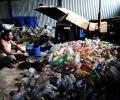
The problem of waste is not a problem of management alone.
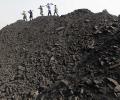
The new mining policy must be rock solid

The Supreme Court has directed a series of actions to clean the Taj, including bringing in compressed natural gas (CNG) to replace dirty coal.

Green rating of thermal power plants are way behind the global best.
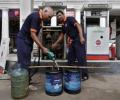
In Budget 2015, the finance minister has opted to take the slow road and has doubled the cess on coal to "balance the need to tax pollution and the price of power" in his words.

Whether we flew aircraft or mastered plastic surgery is immaterial for modern India, what matters is if ancient Indians understood the science and art of settlement planning, architecture and governance of natural resources. This is the history we need to learn, says Sunita Narain

India is actively involved in reducing carbon emissions.

Each year, economic damages increase -- and once again, development gains are lost in one season of flood or bad drought.

Spending has been increased again, but there's still no effort in the Budget to improve outcomes.

The year 2010 was a loud year when high profile projects hit the headlines for non-compliance with environmental regulations.

The clandestine endgame being played out at the climate change conference at Cancun has concluded in a deal. The commentators and climate activists in the western world are ecstatic. Even the critics say pragmatism has worked and the world has taken a small step ahead in its battle to fight emissions that determine its growth.

We are running out of time in the food-health trajectory.
